

Vine mealybug can destroy generations of success.
Fight back with the mating disruption more growers trust.

The Evolution of Insecticide
BioMagnets™ dramatic efficacy, long duration and ease of use make it the most innovative and sustainable way to protect crops against fly damage.


Reduce Red Scale Damage
Trusted by leading citrus growers, CheckMate® CRS maximizes fruit quality.

Rest Easy
"After the Suterra product is up, I can sleep at night knowing something is out there working."
Brandon Koch - PCA | theWonderfulcompany

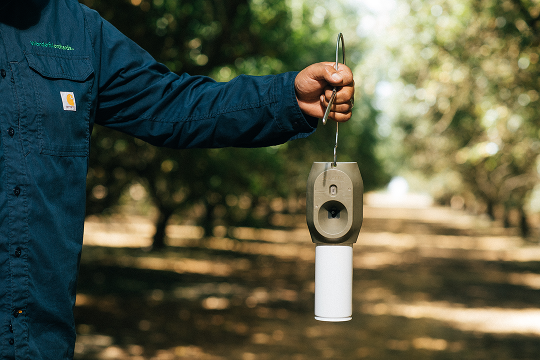
Puffer®
Aerosol release technology for precise and continuous season-long control.
Suterra invented and perfected aerosol mating disruption. The Puffer® is used on more acres than any other aerosol mating disruption product in the world to lower damage from Navel Orangeworm, Codling Moth, Oriental Fruit Moth, and other agricultural pests.
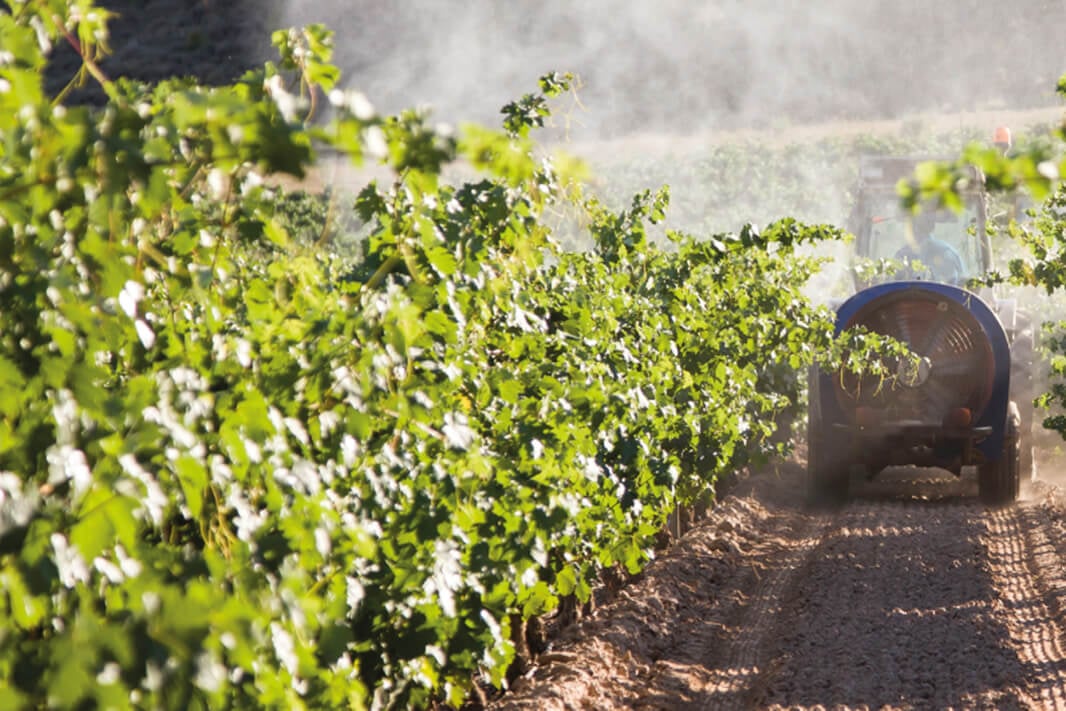
Sprayable
Sprayable solution for improved flexibility and control.
CheckMate® sprayable formulations are tank-mix compatible with many common materials growers already use like fertilizers and insecticides, making them an easy addition to existing IPM (integrated pest management) programs. Affordable and ready when you are.
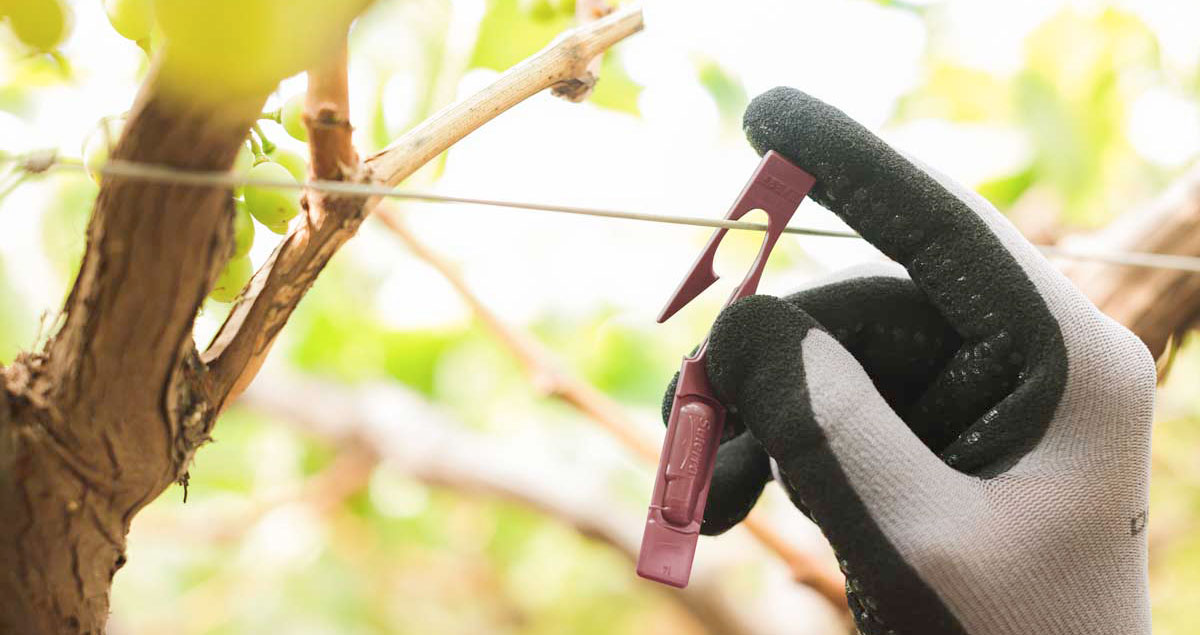
Celada
Innovative resin properties precisely control the release rate.
Celada ensures ease of use with an integrated hook designed to withstand all harvest operations and provide attachment flexibility. Discover our innovative new features that elevate the convenience and performance of mating disruption's most established platform.
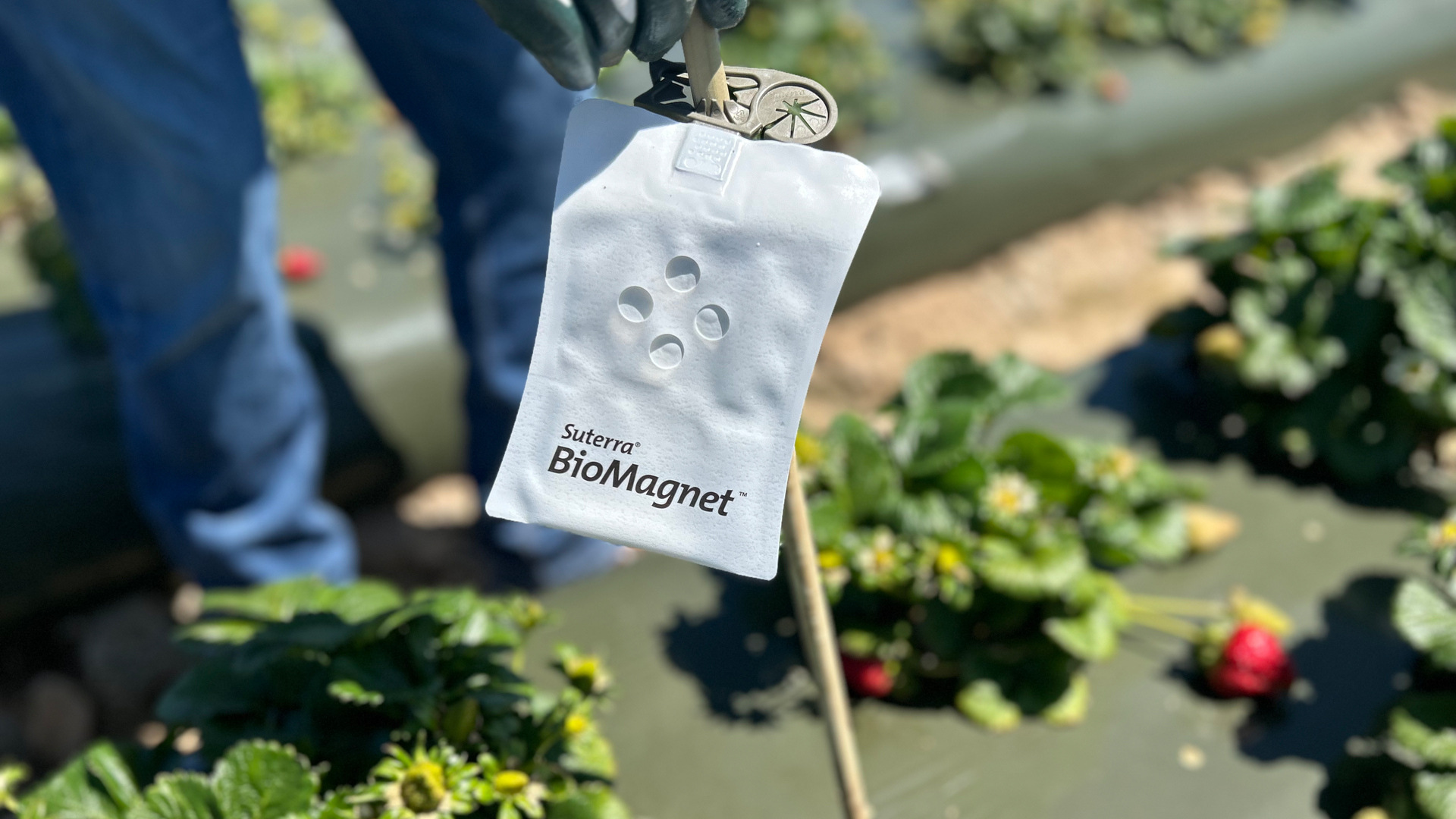
BioMagnet
The most innovative "attract and kill" system.
BioMagnet is placed in the field and is effective for several months. The powerful attractant brings the fly to the device, contacting the insecticide coating upon landing. The unique formulation and special application method guarantee pest control throughout the field with less spraying.
"Being able to use CheckMate® NOW-F by air allowed us to cover 100% of our ground with mating disruption. It tank-mixed easily with our existing fungicide applications and didn't require any changes to our spray schedule or gear. It's one of the simplest additions we’ve ever made to our IPM program and the ROI has been outstanding."

Rob Weaver
Pest Control Advisor | F&T Farms - Campos Brothers
“We have a couple of blocks of apples that consistently have high codling moth populations year after year. This year, we decided to use CheckMate CM 2.0 [flowable], and it has successfully reduced our trap catches to below the threshold. Moving from historically high catches to below-threshold levels has been great for those blocks.”

Phil Glazie
Glazie Apples | Winchester, VA
“I would highly recommend the Suterra team for their expertise and customer service and understanding of our needs and what we need to achieve our goals and delivering the highest quality product that we can.”

Tom Carter
Harris Woolf Almonds | Coalinga, California
"For three years, we've been using Suterra Puffer® NOW on almonds in Merced County. We have drastically reduced the navel orangeworm population by 10-12%."
Agricultural Consultants, Inc | California, USA
"Innovation, reliability, value, and service are what signify Suterra when pheromones are needed. Suterra has been a valued supplier for Symms Fruit Ranch for over 10 years."

Apple Grower
Symms Fruit Ranch | Idaho, USA
"In addition to effective pest control, we save time, money and resources. After the season, no residual material remains in the field. We are very satisfied with the Puffer technology."

Large Apple Grower
Melinda | North Italy
"Puffer® technology compared with standard dispensers allowed us to save time. The experience was positive under all aspects."

Bodega Fabio
Manara Winery | Verona, Italy
“Any other companies that service high volume commodities that have normal standard product pests such as Indian meal moths, the Puffer® IMM is an absolute best solution on the market today and I highly recommend it to anyone looking to find that solution.”

Richard Curylo
Executive Vice President | RPM Group Inc.
.jpg)